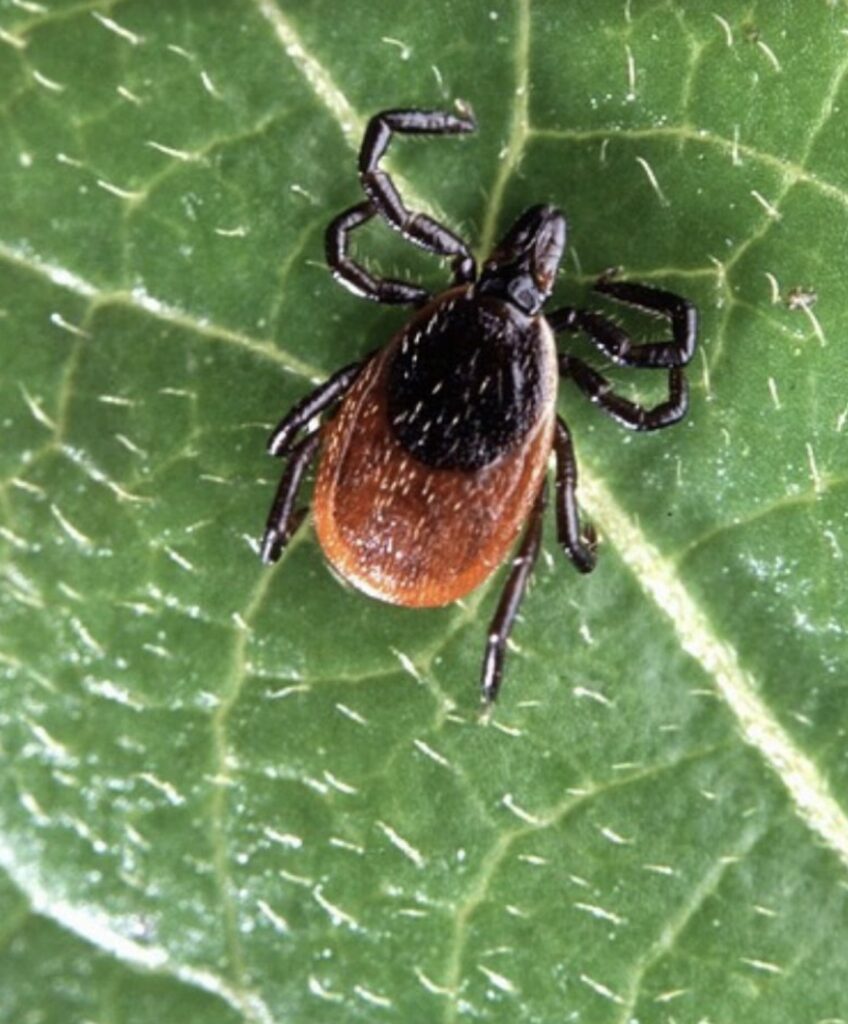

As we move into warmer weather, Connecticut is experiencing above average tick activity this season. With mild winters and wet spring conditions, ticks are thriving—making prevention more important than ever for dog owners.
Why This Matters
Ticks aren’t just annoying—they can carry diseases such as:
• Lyme disease
• Anaplasmosis
• Ehrlichiosis
Dogs may not show symptoms right away, but signs can include lethargy, joint stiffness, fever, and loss of appetite.
Where Ticks Are Found
Ticks are commonly found in:
• Tall grass and wooded areas
• Leaf piles and brush
• Edges of yards and fences
• Even well-kept suburban lawns
How to Protect Your Dog
1. Use Preventatives
Monthly oral or topical treatments (recommended by your vet) are your first line of defense.
2. Check Daily
After time outside, check your dog’s:
• Ears
• Under collar
• Between toes
• Tail and groin area
3. Maintain Your Yard
• Keep grass short
• Remove leaves and brush
• Limit access to wooded edges
4. Stick to Clear Paths
Avoid tall grass and heavily wooded areas when walking.
5. Groom Regularly
Routine brushing and bathing help catch ticks early.
If You Find a Tick
Use tweezers to remove it gently from the skin, clean the area, and monitor your dog. If anything seems off, contact your vet.
Final Thoughts
Tick activity is higher than usual, but with simple precautions, you can greatly reduce the risk. A quick daily check and consistent prevention go a long way in keeping your dog safe and healthy.