
Common Causes of Scooting in Dogs and What You Should Do
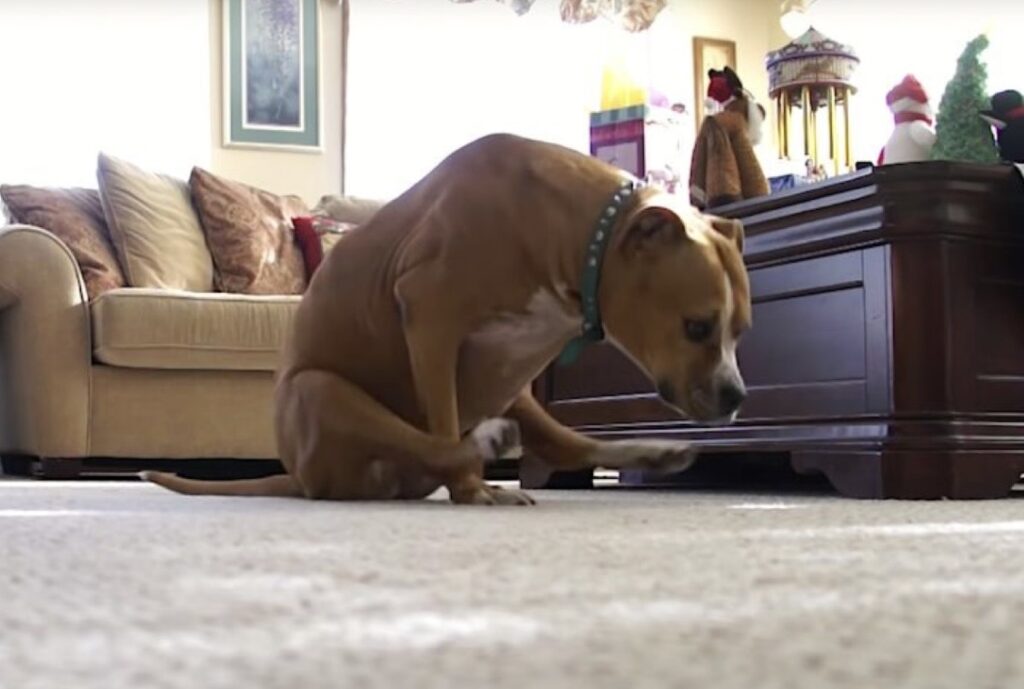
If you’ve ever seen your dog dragging its rear across the floor or grass, you’re not alone. This behavior—commonly called “scooting”—can be both amusing and concerning. While occasional scooting may not be serious, frequent or persistent scooting is often a sign that something isn’t right.
Understanding why dogs drag their butts is important for keeping your pet comfortable and healthy. In this guide, we’ll break down the most common causes, when to worry, and what you can do to help.
What Does It Mean When a Dog Is Scooting?
Scooting occurs when a dog sits and drags its rear end along the ground. This behavior is usually a response to irritation, itching, or discomfort in the anal or rear area. While it might seem harmless at first, scooting is often your dog’s way of telling you something needs attention.
1. Anal Gland Issues (Most Common Cause)
The most common reason a dog drags its butt is due to anal gland problems.
What Are Anal Glands?
Dogs have two small glands located on either side of the anus. These glands produce a scent-marking fluid that is typically released during bowel movements.
What Goes Wrong?
Sometimes, these glands:
• Become full or impacted
• Do not empty properly
• Become infected or inflamed
When this happens, your dog may feel pressure or discomfort and try to relieve it by scooting.
Signs of Anal Gland Problems:
• Scooting frequently
• Licking or biting the rear area
• A strong, fishy odor
• Difficulty sitting comfortably
If left untreated, impacted glands can lead to infection or abscesses, which require veterinary care.
2. Worms or Parasites
Another common cause of scooting is intestinal parasites, especially tapeworms. Dogs with worms may experience itching around the anus, leading to scooting behavior.
Additional Signs:
• Visible small, rice-like segments near the rear
• Weight loss
• Increased appetite
• Dull coat
Regular deworming and veterinary checkups are key to preventing and treating parasites.
3. Allergies (Food or Environmental)
Dogs can develop allergies that cause itching, including in the rear area.
Common allergy triggers include:
• Certain proteins in food
• Pollen, grass, or dust
• Fleas or flea bites
When the skin around the anus becomes irritated, your dog may scoot to relieve the itch.
Signs of Allergies:
• Excessive licking or scratching
• Red or inflamed skin
• Ear infections
• Chronic skin irritation
4. Dirty or Irritated Rear Area
Sometimes the cause is simple—hygiene.
If fecal matter gets stuck around your dog’s rear, especially in long-haired breeds, it can cause irritation and lead to scooting.
This is often referred to as:
• “Dingleberries”
• Fecal matting
Regular grooming and cleaning can prevent this issue.
5. Skin Infections or Irritation
Bacterial or yeast infections around the rear area can cause discomfort and itching.
These infections may develop due to:
• Moisture buildup
• Allergies
• Poor hygiene
• Compromised immune system
Symptoms:
• Redness
• Swelling
• Odor
• Discharge
6. Fleas or External Parasites
Fleas don’t just stay on the back—they can irritate the entire body, including the base of the tail and rear.
Dogs with flea infestations may:
• Scoot
• Bite at their tail
• Scratch excessively
Even a single flea bite can trigger a reaction in sensitive dogs.
7. Injury or Trauma
In some cases, scooting may be due to pain or injury near the tail or anal area.
This could include:
• Minor cuts or abrasions
• Tail injuries
• Inflammation
If your dog suddenly starts scooting and shows signs of pain, it’s best to consult a
veterinarian.
When Should You Be Concerned?
Occasional scooting isn’t always a cause for alarm, but you should take action if your dog:
• Scoots frequently or daily
• Shows signs of pain or distress
• Has swelling, redness, or discharge
• Emits a strong, foul odor
• Licks or bites excessively
These symptoms may indicate a condition that requires veterinary attention.
How to Stop Your Dog From Scooting
1. Visit Your Veterinarian
A vet can:
• Check and express anal glands
• Test for parasites
• Diagnose infections or allergies
2. Maintain Proper Grooming
• Keep the rear area clean
• Trim long fur around the tail
• Bathe regularly with dog-safe shampoo
3. Improve Diet
A healthy diet supports digestion and proper gland function. Some dogs benefit from:
• Increased fiber
• High-quality protein
• Consistent feeding schedules
4. Prevent Parasites
• Use regular deworming protocols
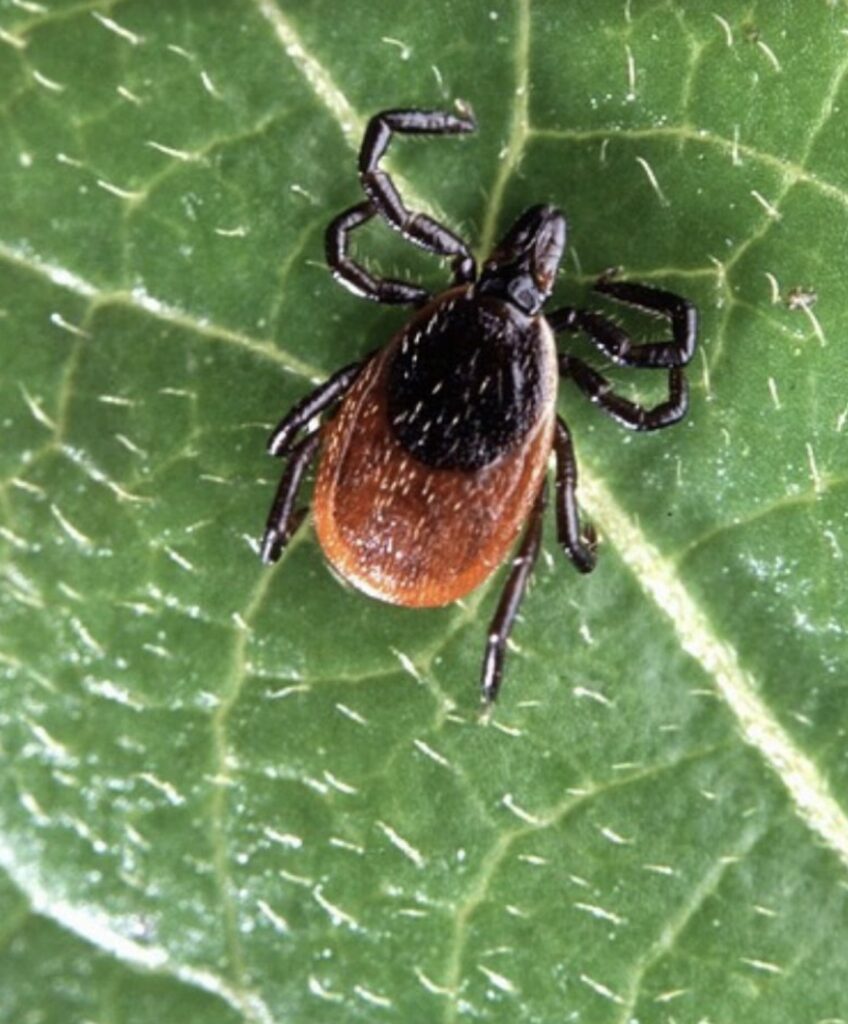
• Maintain flea and tick prevention
5. Monitor Behavior
Pay attention to changes in your dog’s habits. Early detection makes treatment easier and
more effective.
Final Thoughts: Don’t Ignore the Signs
Scooting may seem like a harmless or even funny behavior, but it’s often a sign that your dog is uncomfortable. Whether it’s anal gland issues, parasites, allergies, or irritation, identifying the cause early can prevent more serious health problems.
If your dog is dragging its butt across the floor, don’t ignore it—take it as a signal to investigate and address the issue. A healthy dog is a comfortable dog, and staying proactive ensures your companion stays happy, clean, and pain-free.